
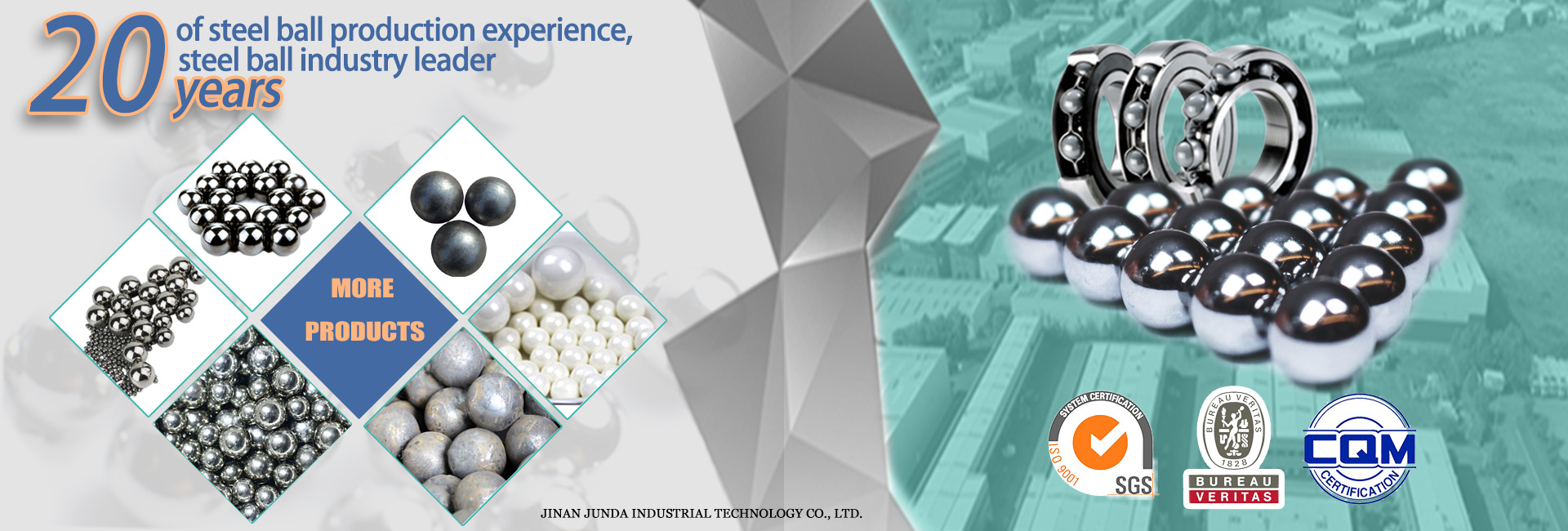
Selecting the right grinding media is one of the most effective ways to boost milling efficiency, improve particle fineness and ensure long-term operational stability in mineral processing and cement plants. Because grinding steel balls serve as the core consumable inside rotating mills, making an informed technical choice directly determines your comminution performance. Here are the three critical factors to consider when selecting grinding balls for your ball mill:
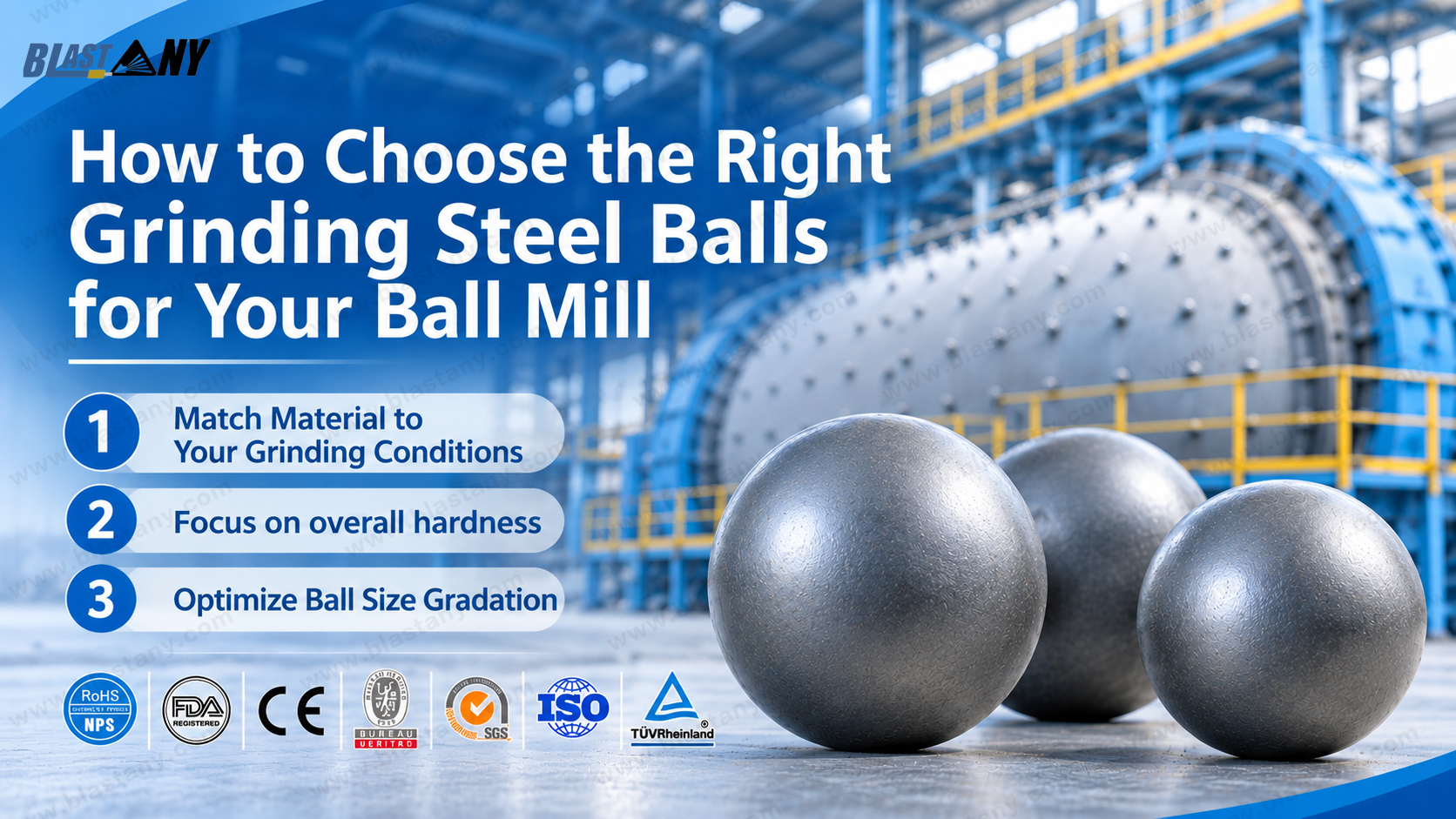
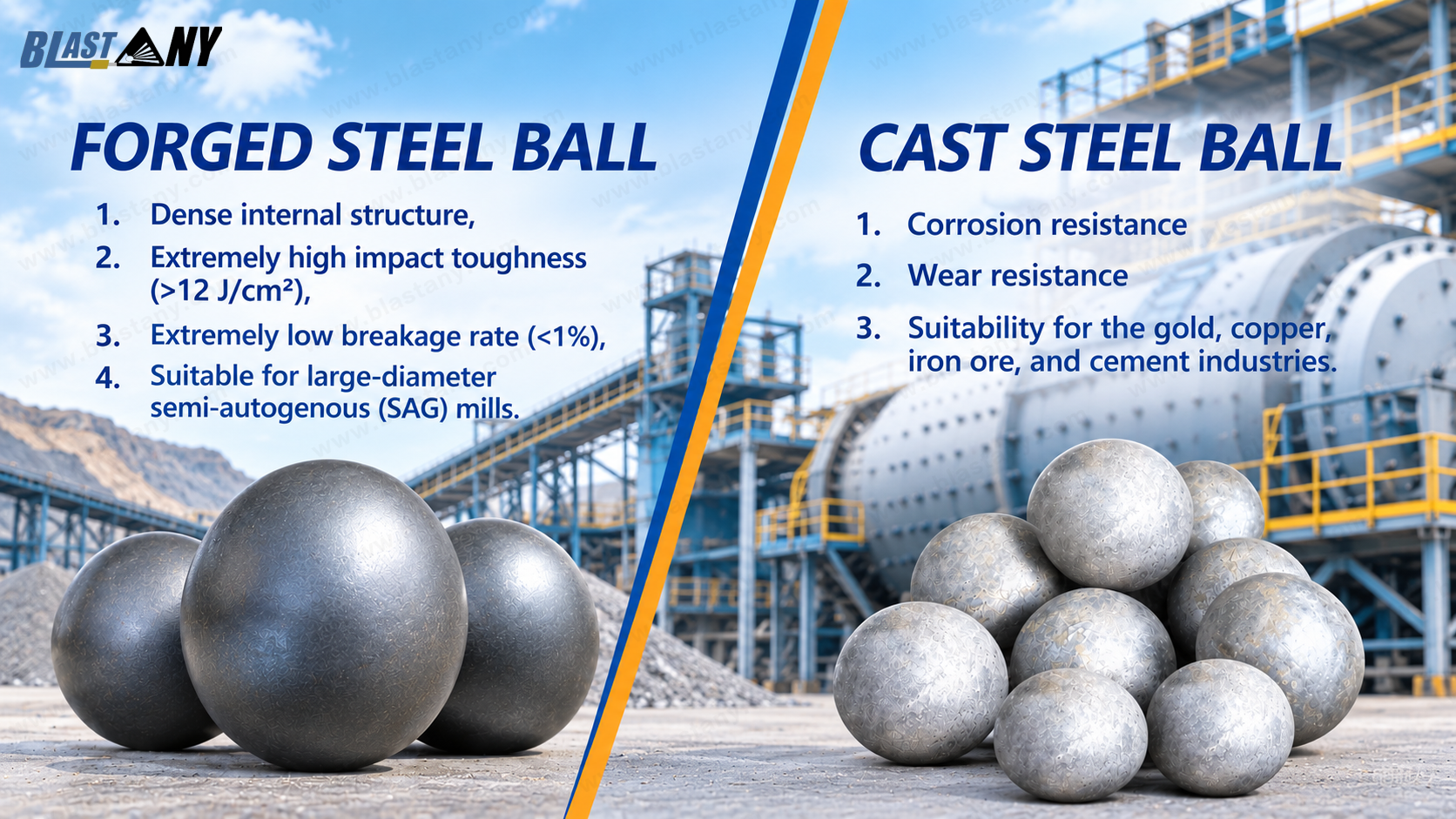
1. Match Material to Your Grinding Conditions The choice between forged steel balls and cast iron balls comes down to impact versus abrasion. For large-diameter SAG mills or primary ball mills with high impact forces, forged alloy steel balls are ideal due to their dense internal structure, high impact toughness (>12 J/cm²) and ultra-low breakage rate (<1%). Conversely, for secondary fine grinding or corrosive wet milling across gold, copper, iron and cement applications, high-chrome cast balls offer superior corrosion and abrasion resistance.
2. Look Beyond Surface Hardness While high surface hardness (HRC 58–65) reduces wear, volumetric hardness is what truly determines media lifespan. Premium heat-treated grinding balls maintain minimal hardness drop from surface to core, ensuring uniform spherical wear and effectively preventing premature spalling, out-of-round deformation or fracturing during continuous heavy-duty operation.
3. Optimize Ball Size Gradation Using a single ball diameter rarely delivers optimal throughput. Larger balls (80–125mm) provide the strong kinetic impact energy needed to crush coarse 20–50mm feed ore, while medium-fine balls (25–60mm) maximize contact surface area for daily fine grinding of 2–15mm particles. A tailored ball charge ratio matched to your ore hardness prevents mill grate blockage and over-grinding, striking an ideal balance between grinding speed and output precision.
With stable performance, strict ISO/SGS quality standards and great adaptability for mass production, properly selected grinding steel balls are widely approved by global mining distributors and end plants, serving as the top professional media for modern ball mill operations.
Putting all three factors together is where GRINDINGONE does its best work. We supply forged alloy steel balls and high-chrome cast balls made under strict ISO/SGS quality standards, with hardness held from surface to core, in size gradations tailored to your ore hardness, mill diameter and target fineness. If you are reviewing your ball charge, the GRINDINGONE technical team will help you match the right media and gradation to your grinding circuit — for lower ball consumption per ton and steadier mill performance.
Post time: Nov-19-2026


